Your Ultimate Guide to Letter Tracing Workbooks for Early Learning
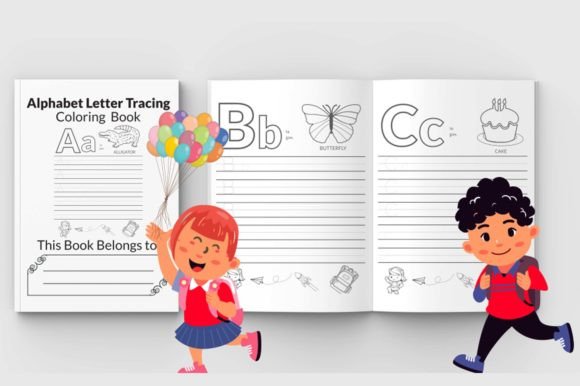
In the journey of early childhood education, mastering the alphabet is a fundamental milestone. A Letter Tracing Workbook serves as a practical and engaging tool designed specifically to guide young learners through this process. At its core, it is a collection of printable worksheets, each dedicated to a single letter from A to Z, featuring both uppercase and lowercase forms. These worksheets provide guided paths—dotted lines or faint outlines—that children follow with a pencil or crayon, helping them develop the muscle memory and control necessary for writing.
The Value of Structured Alphabet Practice
Why does a simple tracing activity hold such appeal? The answer lies in its structured approach to a complex skill. Learning to write is not just about recognizing letters; it’s about translating that recognition into precise motor movements. A high-quality Alphabet Tracing Letters Worksheets package removes the guesswork for both the child and the guiding adult. Each page is a focused, beautiful illustration centered on one letter, minimizing distraction and maximizing practice. The consistent format—26 pages for 26 letters—builds a predictable and reassuring learning routine.
For preschoolers, this routine transforms an abstract challenge into a manageable, even enjoyable, task. The act of tracing provides immediate sensory feedback and a clear sense of accomplishment when a line is completed correctly. This builds confidence and fosters a positive association with learning, which is crucial for future academic engagement.
Key Features of a Professional Tracing Package
When selecting or using a Letter Tracing Workbook, the technical details matter greatly for the user experience. A professional package typically includes two primary file formats: a consolidated 26-page PDF and individual 26 JPG files. The PDF is ideal for printing the entire workbook as a cohesive booklet, while the separate JPGs offer flexibility to print specific letters as needed.
- High-Resolution 300 DPI Images: This ensures every dotted line and illustration is sharp and clear, resulting in crisp prints even on standard home printers. Blurry lines can frustrate a young child and hinder proper tracing.
- Standard Page Size (8.5 x 11 inches): The familiar letter-size paper is easy to handle, store, and fits common binders or folders. It also provides ample space for large, child-friendly letter forms.
- Ready-to-Print Design: The worksheets are formatted with no extra setup required. You simply open the file and print, saving valuable time for parents, teachers, and creators.
Diverse Applications Across Contexts
The utility of these tracing worksheets extends far beyond a single home activity session. Their design makes them a versatile resource in multiple contexts.
For educators and homeschooling parents, these sheets are ready-made teaching materials. They can be integrated into daily lesson plans, used for remedial practice, or offered as quiet, independent work. The consistency of the material across the entire alphabet allows for systematic progression through the letters.
For creators, entrepreneurs, and small business owners in the educational space, such a workbook package is a foundational product. It can serve as the interior for a physical ABC Handwriting Workbook intended for sale, or as a digital product sold to other parents and teachers. The clean, professional design and high-resolution files are specifically suited for platforms like Amazon KDP (Kindle Direct Publishing), where it can be listed as a KDP Interior Alphabet Letters Tracing Book. The package provides a complete, market-ready asset.
For bloggers and freelancers in the parenting or educational niche, these worksheets can be valuable content offerings. They can be shared as free downloadable resources to build audience trust and engagement, or used as examples in articles and courses about developing early writing skills.
Addressing Real Needs and Goals
Individuals seek out a Letter Tracing Workbook to solve specific, practical problems. A parent might be looking for a structured, screen-free activity to develop their child’s fine motor skills before kindergarten. A preschool teacher might need a large volume of consistent practice sheets for a classroom of 20 students without the time to draw each one manually. An online entrepreneur might want to quickly launch a proven, low-complexity educational product to establish a presence in the children’s book market.
The workbook supports the universal goal of developing writing skills in a foundational, step-by-step manner. It bridges the gap between recognizing letter shapes and autonomously drawing them. By providing the guided path, it reduces the initial frustration that can come with freeform writing and allows the child to build competence at their own pace.
Important Considerations Before Use
While these workbooks are tremendously helpful, a few considerations can optimize their application. First, assess the readiness of the child. Tracing requires a basic level of pencil grip and hand-eye coordination. For very young children, starting with larger, simpler shapes before moving to alphabet letters might be beneficial.
Second, think about the printing environment. Although the files are high-resolution, the output quality depends on your printer and paper. Using a slightly thicker paper, like cardstock, can make the experience more durable for repeated practice or enthusiastic pencil pressure.
Finally, consider the learning atmosphere. Tracing should be a supportive activity. Encourage the child, focus on the effort rather than perfect lines, and combine the tracing with verbal reinforcement—saying the letter name and sound as they trace it. The worksheet is a tool; the positive interaction around it amplifies its value.
In essence, a well-designed Letter Tracing Workbook is more than just pages with dotted letters. It is a scalable solution for early literacy development, a professional asset for educational creators, and a simple, effective way to turn the abstract alphabet into a tangible skill for a child. Its flexibility and clear purpose make it a relevant resource for anyone invested in the foundational stages of learning.