Check Register Log Book: A Comprehensive Guide for Financial Management
Introduction: A Check Register Log Book is an essential tool for managing and tracking financial transactions. It serves as a detailed record of all checks written, deposits made, and other financial activities, providing a clear overview of your financial status. This article will help you understand the benefits, considerations, and situations where a Check Register Log Book might be the right choice for you.
What is a Check Register Log Book?
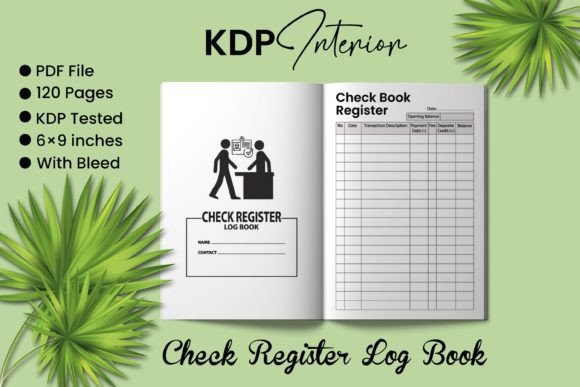
A Check Register Log Book is a structured notebook or digital file designed to log and track all check-related transactions. It typically includes columns for the date, check number, payee, amount, and balance, allowing users to maintain an accurate and up-to-date record of their financial activities.
Why Use a Check Register Log Book?
- Better Financial Oversight: Regularly updating a Check Register Log Book helps in maintaining a clear and organized view of your financial transactions, making it easier to manage your budget and avoid overdrafts.
- Record Keeping: It provides a comprehensive record of all financial activities, which can be invaluable for tax purposes, audits, and personal financial planning.
- Fraud Prevention: By keeping a close eye on your transactions, you can quickly identify any discrepancies or fraudulent activities, enhancing the security of your financial information.
Benefits of Using a Check Register Log Book
Using a Check Register Log Book offers several key benefits:
- Accuracy: Manual entry ensures that each transaction is recorded accurately, reducing the risk of errors that can occur with automated systems.
- Accessibility: A physical or digital log book is easily accessible, allowing you to review and update your records at any time.
- Customization: You can tailor the log book to include additional details or categories specific to your needs, such as notes or categories for different types of expenses.
Considerations and Tradeoffs
While a Check Register Log Book is a valuable tool, there are some considerations to keep in mind:
- Time Commitment: Regularly updating the log book requires a consistent effort, which may be challenging for those with busy schedules.
- Potential for Human Error: Manual entry can sometimes lead to mistakes, such as miscalculations or incorrect entries, which can affect the accuracy of your financial records.
- Storage and Security: Physical log books need to be stored securely to prevent loss or damage, while digital versions require proper backup and protection against cyber threats.
Situations Where a Check Register Log Book is Ideal
A Check Register Log Book is particularly useful in the following scenarios:
- Small Business Owners: For small business owners, a log book can help in managing cash flow, tracking expenses, and preparing for tax season.
- Individuals with Multiple Accounts: If you have multiple checking accounts, a log book can help you keep track of transactions across all accounts, ensuring no detail is overlooked.
- Financially Minded Individuals: For those who prefer a hands-on approach to financial management, a log book provides a tangible and detailed way to monitor and control their finances.
Alternatives to Consider
While a Check Register Log Book is a powerful tool, there are alternatives that may be more suitable depending on your needs:
- Financial Software: For those who prefer a more automated solution, financial software like QuickBooks or Mint can provide robust features for tracking and managing finances.
- Online Banking Tools: Many banks offer online tools and mobile apps that allow you to view and manage your transactions, providing a convenient and integrated solution.
- Spreadsheet Templates: For a more customizable and flexible option, spreadsheet templates can be used to create a personalized log book, allowing for easy updates and calculations.
Practical Decision-Making Insights
To determine whether a Check Register Log Book aligns with your goals and needs, consider the following:
- Your Financial Habits: Reflect on how you currently manage your finances and whether a log book would enhance your current system.
- Time and Effort: Assess whether you have the time and willingness to regularly update and maintain a log book.
- Security and Accessibility: Consider the importance of having a secure and easily accessible record of your financial transactions.
By carefully evaluating these factors, you can make an informed decision about whether a Check Register Log Book is the right tool for your financial management needs.