The Daily Self-Esteem Journal: A Practical Tool for Nurturing Child Mental Health
In a world that increasingly recognizes the profound impact of mental wellness from the earliest ages, parents, caregivers, teachers, and counselors are seeking concrete, daily tools to support the emotional development of children and teens. Building self-esteem is not a one-time lesson; it is a continuous practice of self-awareness, positive reinforcement, and resilience-building. This is where the concept of a Daily Self-Esteem for Kids journal becomes an invaluable resource, transforming abstract principles into tangible, daily habits.
Understanding the Core Need: Why Daily Self-Esteem Practice Matters
Childhood and adolescence are formative periods where self-concept is built, often brick by brick from daily experiences. Challenges such as social anxiety, academic pressure, comparison with peers, or simply navigating complex emotions can quickly erode a young person's sense of self-worth. The goal for caring adults is not merely to shield children from these challenges, but to equip them with an internal toolkit—a resilient sense of self-confidence that they can carry into any situation. This requires more than occasional praise; it needs structured, reflective practice that allows kids to internalize positive beliefs about their own abilities, values, and unique qualities.
The Role of a Structured Journal
A Daily Self-Esteem for Kids journal serves as this structured practice. It provides a safe, private space for children and teens to engage in guided self-reflection. Unlike a generic notebook, a journal designed specifically for self-esteem incorporates prompts and activities that direct their focus toward personal strengths, gratitude, achievable goals, and kind self-talk. This consistent practice helps to counteract negative thought patterns and builds a foundational narrative of competence and self-acceptance.
How a Daily Self-Esteem Journal Addresses Real-World Situations
Consider a child struggling with friendship dynamics at school. They may feel isolated or unsure of their social skills. A daily journal prompt asking, "What is one kind thing you did for someone today, or that someone did for you?" shifts focus from perceived rejection to observable acts of kindness, fostering a sense of social connection and self-efficacy. For a teen facing academic stress, a section dedicated to "Today's Small Win" encourages them to recognize progress, be it understanding a difficult concept or completing a homework assignment, thereby reducing the overwhelming feeling of constant evaluation.
In therapeutic or counseling settings, a Daily Self-Esteem for Kids journal becomes a collaborative tool between the therapist and the child. It offers a concrete record of thoughts and moods that can be discussed in sessions, providing insights into patterns and growth over time. For parents, it opens a window into their child's internal world without the pressure of direct interrogation, allowing for more empathetic and supportive conversations.
Practical Applications and Outcomes
The daily use of such a journal leads to several observable outcomes. First, it promotes emotional literacy. Children learn to identify and name their feelings, which is the first step in managing them. Second, it cultivates a growth mindset. By regularly documenting efforts and small successes, children begin to see ability as something that develops with practice, rather than a fixed trait. Third, it reinforces positive self-talk. Writing down affirmations or strengths makes them more concrete and believable than merely thinking them.
Integration into Daily Routines
Implementation is key. The journal should be integrated into a calm, consistent part of the day, perhaps after school or before bedtime. The activity should feel inviting, not punitive. Adults can model the behavior by sharing their own reflections on gratitude or challenges, demonstrating that self-care is a lifelong practice. For younger children, the prompts might be read aloud, and they can draw their responses, making the activity accessible and engaging.
Tailoring the Approach for Different Users
The versatility of a Daily Self-Esteem for Kids journal means it can be approached differently depending on the user's role and the child's needs.
- For Parents & Caregivers: The journal is a bonding and observational tool. It’s less about correcting entries and more about providing the space and time for the child to engage with it. Follow-up conversations might start with, "I loved reading about your small win today," fostering positive communication.
- For Educators & School Counselors: It can be incorporated into social-emotional learning (SEL) curricula or used as a supportive resource for students showing signs of anxiety or low motivation. It helps create a classroom culture that values personal growth alongside academic achievement.
- For Therapists & Counselors: The journal provides clinical utility. It serves as a progress tracker, a source of discussion topics, and a tangible skill-building exercise that the child takes home, extending the therapeutic work beyond the session walls.
Recommendations and Key Considerations
When selecting or utilizing a daily self-esteem journal, focus on the content of the prompts rather than just the format. Effective prompts are open-ended, strength-based, and age-appropriate. They should avoid leading questions that might inadvertently suggest negative feelings. For instance, "What made you feel proud today?" is more constructive than "Did you feel bad about anything today?"
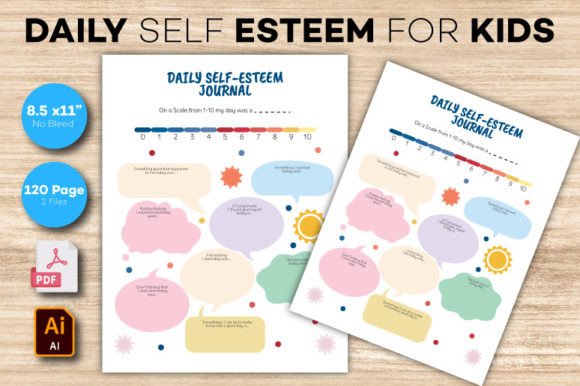
The physical quality of the journal, such as high-resolution, clear printing on a comfortable 8.5 x 11 inch page, matters for engagement. A visually appealing, well-designed space invites a child to participate. The option for own printing, as with a printable worksheet format, allows for immediate use and the flexibility to print new pages as needed, making it a sustainable tool.
Finally, patience is essential. Building self-esteem is a gradual process. Some days the entries will be deep, other days superficial. The consistent act of showing up for themselves in the journal is the real victory. The Daily Self-Esteem for Kids journal is not a quick fix but a companion on the journey toward a healthier, more confident mindset—a daily practice that, over time, can help children and teens write a more positive story about who they are and who they can become.