The Complete Guide to Choosing Your Crochet Project Log Book
For many crocheters, the journey from a skein of yarn to a finished project is filled with intricate details, modifications, and lessons learned. Keeping track of this process is more than just a memory aid; it’s a tool for growth and organization. A dedicated Crochet Project Log Book serves this exact purpose, functioning as a centralized, tangible record of your craft. Unlike a generic notebook, these logs are specifically structured to capture the nuances of crochet work, transforming your creative process from a series of projects into a documented body of work.
Defining the Crochet Project Log: Purpose and Distinction
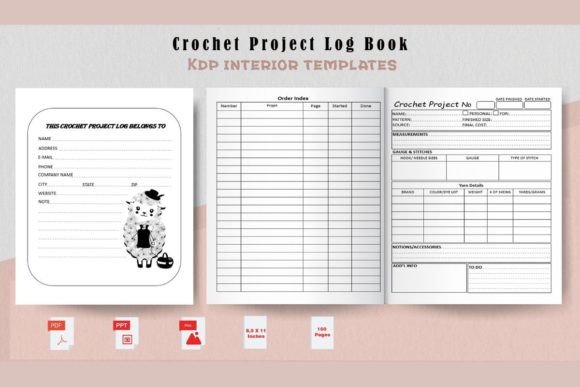
At its core, a Crochet Project Log Book is a systematic journal designed for documenting the details of your crochet endeavors. What makes it distinct from simply jotting notes in a spare notebook is its intentional structure. Typically, it includes pre-formatted sections for project name, date started and completed, yarn brand and color, hook size, stitch pattern notes, gauge measurements, and even a space for swatches or sketches. This structure prompts you to record information you might otherwise forget, creating a valuable reference library for future projects.
The primary distinction lies in its specialization. A general journal or bullet journal can be adapted for craft logging, but it requires you to create the structure yourself. A dedicated Crochet Project Log Book provides that framework instantly, saving time and ensuring consistency. It’s a tool built for the specific cognitive and practical needs of a crocheter, helping to track progress, troubleshoot issues, and replicate successful outcomes.
Key Comparisons and Alternative Approaches
When considering how to log your projects, you’ll encounter a spectrum of options, each with its own tradeoffs. Understanding these comparisons helps you identify the best fit for your personal workflow.
Digital vs. Analog Logging Systems
A popular alternative is digital logging. This can range from a simple spreadsheet or note-taking app like Evernote to specialized software or apps designed for crafters. Digital systems offer advantages like searchability, easy photo integration, and cloud backup. They are excellent for those who prefer a minimalist, device-centric approach and who might want to share logs digitally with a community.
The physical Crochet Project Log Book, however, offers tangible benefits that digital tools often cannot replicate. The act of handwriting can deepen memory and engagement with the project details. It allows for quick, non-linear sketching of patterns or stitch diagrams directly alongside your notes. There’s also no concern about file formats, software updates, or digital clutter. For many, the sensory experience of using a beautiful, craft-specific journal enhances the enjoyment of the hobby itself.
DIY Templates vs. Pre-Formatted Log Books
Another comparison point is between creating your own log system and using a pre-formatted product. A DIY approach involves designing your own pages in a blank notebook or creating a printable template. This offers maximum flexibility. You can tailor every section to your exact preferences, perhaps focusing heavily on yarn inventory or including a budget tracker.
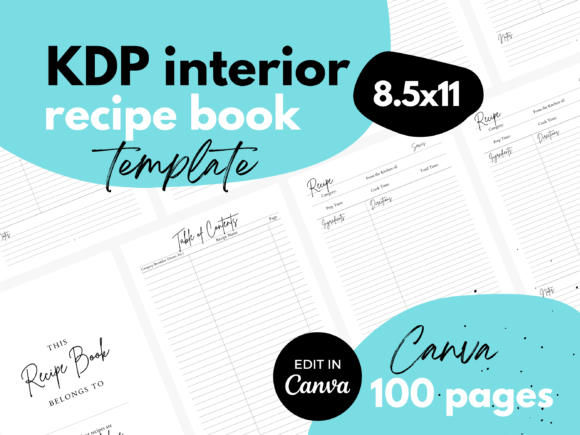
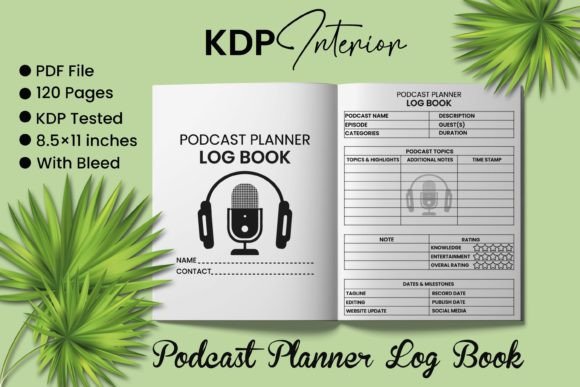
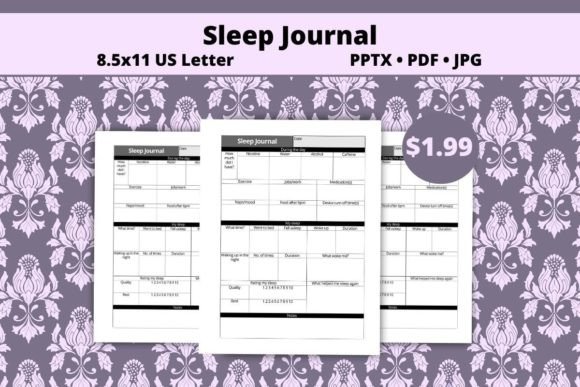
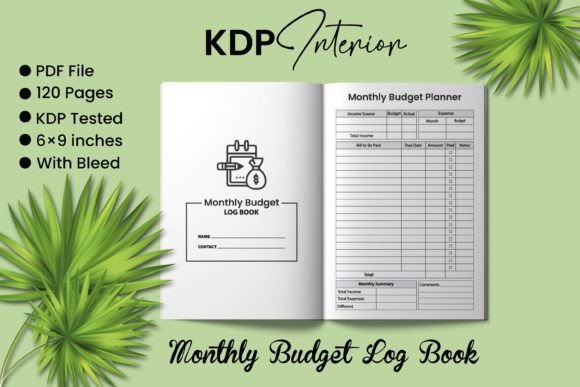
A commercial Crochet Project Log Book, like a downloadable KDP interior template, provides a ready-made, professionally laid-out solution. The tradeoff here is convenience versus customization. A pre-formatted log saves significant upfront design time. The template has already considered the common data points most crocheters need, balancing space for text, numbers, and visual elements. For those who want a balance, many templates, especially those offering PowerPoint or PDF source files, allow for customization. You can adjust the pre-existing structure to better suit your habits without starting from scratch.
Evaluating Features and Best-Fit Situations
The decision to use a Crochet Project Log Book, and which specific version to choose, depends heavily on your personal crafting style, goals, and logistical preferences.
Strengths of a Structured Physical Log
The strengths of a well-designed Crochet Project Log Book are numerous. Firstly, it fosters consistency. By having the same fields to fill for each project, you build a cohesive archive. This is incredibly useful when you want to remake a hat but can’t remember the exact hook size you used, or when you need to recall how many skeins a particular blanket required. Secondly, it serves as a single, portable reference. You can bring it to yarn shops to compare colors or weights against past projects, or have it by your side while working without needing to open an app.
Furthermore, a log book can evolve into a personal masterpiece. Over time, filled with swatches, notes, and photos, it becomes a cherished artifact of your creative journey, something a digital file rarely achieves emotionally. For crocheters who also enjoy other paper-based hobbies like planning or sketching, a physical log integrates seamlessly into that analog ecosystem.
Limitations and When Another Option Might Be Better
Despite its benefits, a physical Crochet Project Log Book has limitations. It is inherently less scalable for massive data. If you complete dozens of small projects monthly, a 150-page book will fill up quickly. It also lacks the instant, powerful search functions of a database. Finding every project where you used "Merino wool" requires manually scanning pages.
Therefore, a physical log may not be the right choice if your primary need is data analytics—for instance, if you are a professional tester or designer who needs to statistically analyze yarn performance across hundreds of samples. In that case, a digital database or spreadsheet is likely more efficient. Similarly, if your workspace is strictly digital and you dislike physical clutter, or if you collaborate remotely on patterns and need to share log data instantly, digital alternatives might fit your situation better.
Decision Factors for Selecting Your Log Solution
Making an informed choice requires weighing a few practical factors against your personal preferences.
Volume and Frequency of Projects: Consider how often you crochet and the size of your projects. A leisurely crocheter completing a few large pieces annually will find a log book perfectly adequate. A prolific maker of small items might prefer a digital system or need to consider a log book with a very high page count.
Desire for Customization: How important is it that your log has a unique layout? If you have very specific tracking needs—perhaps incorporating a project budget, gift recipient list, or difficulty rating—you might lean towards a DIY template or a customizable downloadable option where you can modify source files before printing.
Integration with Other Systems: Think about your existing habits. Do you already use a project management app for other life areas? Integrating crochet there might feel seamless. Or do you have a shelf of beautiful craft books? A physical Crochet Project Log Book would complement that collection naturally.
A Practical Example: The Downloadable Template Advantage
Let’s examine a specific scenario: a crocheter who values a physical book but also wants some flexibility. They might opt for a downloadable "Crochet Journal Log Book" KDP interior template. This option, typically offering a print-ready PDF and editable PowerPoint or PNG source files, presents a unique middle path.
You receive a professionally designed, 150-page, 8.5" x 11" log book template with standard fields. The print-ready PDF allows for immediate use if the standard layout fits. However, the inclusion of source files for customization is the key decision factor here. It means you can, before printing or digitally using the file, adjust headings, add a section for "Lessons Learned," or change the font to match your style. This mitigates the main tradeoff of pre-formatted books—lack of flexibility—while still providing the huge convenience of a ready-made structure. It’s a solution that fits someone who knows they need a structured log but isn’t sure the standard commercial options perfectly match their workflow.
Navigating the Final Choice
Ultimately, the right tool is the one you will use consistently. A beautifully designed Crochet Project Log Book that sits unused because it doesn’t capture the data you care about is less helpful than a simple, self-made spreadsheet you update religiously. The goal is to enhance your crafting practice through reflection and organization.
If you thrive on tactile experiences, enjoy keeping reference materials in book form, and want a dedicated space that inspires you to record your work, a physical Crochet Project Log Book is likely an excellent investment. If you require heavy data manipulation, extreme scalability, or seamless digital sharing, exploring robust digital alternatives would be a prudent step. And for those in between, hybrid solutions—like customizable downloadable templates you can print or use digitally—offer a compelling way to harness the benefits of structure while retaining a degree of personal adaptation.
By carefully considering how you work, what you need to remember, and how you prefer to interact with your records, you can select a logging system that not only documents your past projects but actively supports your future creative endeavors.