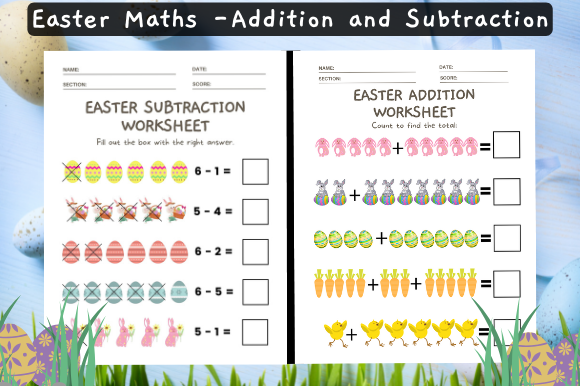
Easter Maths - Addition and Subtraction: A Strategic Approach to Early Learning
Easter Maths - Addition and Subtraction is a unique and engaging educational resource designed to help children in kindergarten and Grade 1 master fundamental mathematical concepts. These Easter Math Activity Worksheets For Kids And Kindergarten Grade 1 are not just a fun way to learn; they are a strategic tool that can support various goals, from enhancing learning outcomes to fostering creativity and productivity.
Why Easter Maths - Addition and Subtraction Matters
Incorporating Easter-themed activities into early education can make the learning process more enjoyable and memorable. The use of familiar and festive themes, such as Easter, can help children connect with the material on a deeper level, making it easier for them to grasp and retain new concepts. This approach can be particularly effective in teaching addition and subtraction, which are foundational skills in mathematics.
Strategic Use Cases for Easter Maths - Addition and Subtraction
- Enhancing Learning Outcomes: By using these worksheets, educators and parents can provide a structured yet playful environment that encourages children to practice and perfect their addition and subtraction skills. The visual and thematic elements of the worksheets can help in reinforcing the concepts, leading to better retention and understanding.
- Supporting Creativity and Productivity: The Easter theme adds a creative twist to traditional math exercises, making the learning process more dynamic and engaging. This can boost children's motivation and productivity, as they are more likely to stay focused and interested in the tasks at hand.
- Building Strong Foundations: Mastery of basic arithmetic operations like addition and subtraction is crucial for future academic success. These worksheets provide a solid foundation, ensuring that children have a strong base to build upon as they progress through their education.
How to Thoughtfully Approach Easter Maths - Addition and Subtraction
To make the most of these resources, it is essential to approach them with clear goals and a well-thought-out plan. Here are some practical tips and considerations:
- Set Clear Objectives: Before introducing the worksheets, define what you want to achieve. Whether it's improving a child's speed in solving problems or helping them understand the concept of regrouping, having specific objectives will guide your approach and help measure progress.
- Integrate with Curriculum: Align the Easter Maths - Addition and Subtraction activities with the existing curriculum. This ensures that the learning is cohesive and that the skills being practiced are relevant and timely.
- Provide Regular Feedback: Regular feedback is crucial for reinforcing learning. As children work through the worksheets, provide constructive feedback and encouragement. This can help them identify areas where they need improvement and feel supported in their learning journey.
- Encourage Self-Reflection: Teach children to reflect on their work and think about what they have learned. This metacognitive skill is valuable for long-term learning and helps children develop a deeper understanding of the material.
When and How to Use Easter Maths - Addition and Subtraction
The timing and context in which you use these worksheets can significantly impact their effectiveness. Here are some strategic considerations:
- Seasonal Integration: While the Easter theme is a natural fit for the spring season, these worksheets can be used year-round. Consider integrating them during other times when a fresh, engaging activity is needed to reinvigorate learning.
- As a Supplemental Resource: Use the worksheets as a supplement to regular math lessons. They can provide a break from routine and offer a different perspective on the same concepts, making the learning experience more comprehensive.
- For Remedial Work: If a child is struggling with addition and subtraction, these worksheets can be a gentle and supportive way to provide extra practice. The themed activities can make the additional work feel less daunting and more enjoyable.
Possible Risks and Considerations
While Easter Maths - Addition and Subtraction offers numerous benefits, there are also potential risks if used without clear goals or context. Here are some considerations to keep in mind:
- Avoid Over-Reliance: Relying too heavily on themed activities can sometimes lead to a lack of focus on the core mathematical concepts. Ensure that the Easter theme enhances the learning experience rather than distracting from it.
- Balance with Other Activities: While these worksheets are a valuable resource, they should be part of a balanced approach to learning. Incorporate a variety of activities and materials to provide a well-rounded educational experience.
- Monitor Progress Closely: Regularly assess the child's progress and adjust the approach as needed. If the child is not benefiting from the themed activities, consider alternative methods to ensure they are still meeting their learning objectives.
Conclusion
Easter Maths - Addition and Subtraction is a strategic and thoughtful resource that can significantly enhance the learning experience for young children. By setting clear goals, integrating the activities thoughtfully, and monitoring progress, educators and parents can leverage these worksheets to support a wide range of educational and developmental objectives. With careful planning and consideration, these resources can be a powerful tool in building a strong foundation in mathematics and fostering a love for learning.