Using a Debt Payment Tracker KDP Interior for Strategic Financial Management
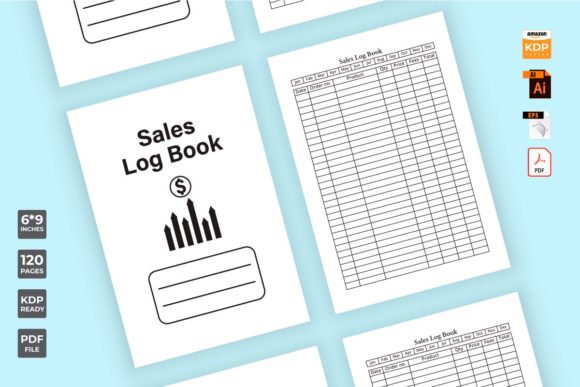
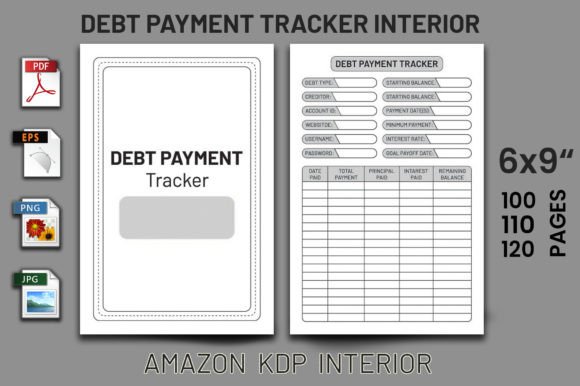
In the world of self-publishing, tools designed for efficiency often unlock opportunities beyond their immediate function. The Debt Payment Tracker KDP Interior exemplifies this principle. It is a professionally formatted, print-ready template designed specifically for Amazon Kindle Direct Publishing (KDP). With a trim size of 6"x9", tested files, and options for 100, 110, or 120 pages, this interior provides a structured log book framework. While it serves as a low or no-content book product for publishers, its underlying design holds significant strategic utility for individuals tackling personal finance.
The Strategic Foundation of a Debt Payment Log
Debt management is more than arithmetic; it is a psychological and strategic endeavor. Unstructured attempts often falter because they lack clarity and momentum. A dedicated tracker transforms amorphous obligations into a tangible plan. The Debt Payment Tracker KDP Interior offers this structure in a physical format. The act of writing down each debt, its terms, and every payment made creates a powerful feedback loop. It shifts debt repayment from a vague stressor to a managed project with visible milestones.
This intentional documentation supports several key goals. It enhances personal accountability, turning intention into recorded action. It facilitates strategic planning by allowing you to visualize the entire landscape of your liabilities, compare interest rates, and prioritize payments using methods like the avalanche or snowball approach. Furthermore, it serves as a central communication hub for anyone involved in the financial plan, such as a partner or financial advisor, ensuring alignment and shared understanding.
When and How to Implement a Physical Payment Tracker
The decision to use a dedicated log book, like one created from this KDP interior, hinges on the complexity and emotional weight of your debt situation. It is particularly valuable when dealing with multiple debt sources (credit cards, loans, medical bills), when you are committing to a new, aggressive repayment strategy, or when you need a clear visual to maintain motivation over a long period.
Approach it as a strategic launchpad. Begin by populating the tracker with complete, accurate data for each debt: creditor, total amount, interest rate, minimum payment, and due date. This initial audit is a critical planning phase. Then, use the log to record not just payments, but also notes. Document when you negotiate a lower rate, when a balance is cleared, or even your reflections on the process. This transforms the book from a simple ledger into a tool for learning and behavioral change.
- Set Clear, Page-Specific Goals: Use the 100+ pages to segment your plan. Dedicate sections to different debts or different months.
- Integrate with Digital Tools: The physical tracker can be your master plan, while digital apps handle automated payments. They complement each other.
- Schedule Regular Reviews: Consistently review your tracker, perhaps weekly or monthly, to assess progress, adjust plans, and reinforce your commitment.
Beyond Logging: The Operational and Psychological Benefits
The sustained use of a Debt Payment Tracker KDP Interior delivers operational and psychological advantages that contribute to long-term results. Operationally, it reduces cognitive load and the risk of error. Having all information in one, organized place prevents missed payments or forgotten balances. It simplifies tax preparation if debt interest is deductible, as it provides a clear record.
Psychologically, the benefits are profound. Each entry is a small act of control, combating the anxiety that debt often induces. Seeing pages fill with completed payments builds a sense of momentum and achievement. The physicality of the book—the act of writing—engages the brain more deeply than a digital entry alone, strengthening commitment. This intentional practice fosters financial mindfulness, encouraging you to think strategically about your money habits beyond mere repayment.
Potential Risks and the Need for Context
While powerful, a tool like this is not a silver bullet. The primary risk is using it without a clear goal or context. Simply recording payments without a strategic repayment plan (like targeting high-interest debt first) can lead to inefficient use of funds. The tracker can become a passive diary rather than an active planning tool.
Another consideration is the static nature of a printed book. If your debt details change frequently (e.g., variable rates, new debts acquired), a purely physical system may become outdated. It must be part of a dynamic financial management ecosystem. Furthermore, relying solely on the tracker without addressing the underlying spending behaviors that led to debt will limit its long-term value. It should be a component of a broader financial strategy.
Practical Applications for Creators and Entrepreneurs
For the audience of entrepreneurs, freelancers, and small business owners, this KDP interior has a dual relevance. First, as a personal tool for managing business or personal debt. The clarity it provides is invaluable for cash flow planning and financial forecasting. Second, as a product opportunity. Understanding the strategic value of such a tracker can inform how you market it. You are not selling just pages; you are selling a framework for financial control and psychological relief.
When creating a book using this Debt Payment Tracker KDP Interior, consider adding a brief introductory guide that explains how to use the log strategically. This elevates your product from a generic notebook to a value-added tool, aligning with the needs of a goal-oriented audience. It demonstrates an understanding of the customer's deeper problem—the need for order and progress—rather than just the surface need for a log book.
- Start with a Personal Audit: Before the first entry, list all debts and their true costs.
- Define Your Victory Condition: What does being debt-free mean for your life or business? Write it in the front.
- Use the Tracker to Negotiate: A clear overview of your debts empowers you to call creditors for better terms.
- Celebrate Milestones: Use the pages to mark when a debt is half-paid or fully cleared. These moments sustain motivation.
Integrating Intentionality into Daily Financial Practice
The ultimate goal is to move from random, reactive financial actions to intentional, strategic management. A Debt Payment Tracker KDP Interior, used thoughtfully, forces this intentionality. It requires you to face the numbers regularly, to make conscious decisions about allocation of funds, and to track the outcomes of those decisions. This daily or weekly practice builds financial discipline, a skill that transfers to all areas of money management.
Consider pairing the tracker with a budgeting system. The debt log shows the outflow, while a budget manages the inflow. Together, they create a complete picture. This integrated approach ensures that debt repayment is not an isolated struggle but part of a holistic financial health strategy. The physical artifact of the completed tracker becomes not just a record, but a testament to a successfully executed plan.
The Long-Term Value of Documented Financial Journeys
In the end, the value of a tool is measured by the outcomes it enables. A well-used debt payment log does more than help zero out balances; it builds confidence, literacy, and a proven method for tackling future challenges. For the entrepreneur, it can inform how to structure business debt. For the family, it can be a lesson in collaborative financial planning. The Debt Payment Tracker KDP Interior, as a product and a personal tool, is a catalyst for this kind of substantive change.
By choosing to use such a structured framework, you are making a decision to prioritize clarity over confusion, strategy over stress, and long-term freedom over short-term avoidance. Whether you are a publisher utilizing the KDP interior to create a valuable product for this market, or an individual employing such a log to regain financial control, the core principle is the same: intentional design leads to better results. The empty pages are an invitation not just to record numbers, but to design a path out of debt and toward greater financial agency.