Why the Pilot Log Book is the Essential Companion for Every Flight
For anyone involved with aviation, tracking hours and details isn't just paperwork—it's the foundation of safety, career progression, and personal accountability. The Pilot Log Book is precisely designed to be that foundational tool. It’s more than a notebook; it’s a systematic record where every entry builds a pilot’s professional story and ensures regulatory compliance. Whether you're logging your first solo flight or managing a complex schedule as a certified instructor, this logbook provides the structure you need.
Beyond the Cockpit: Real-World Uses for Your Pilot Log Book
While its primary use is clear, the versatility of a well-designed logbook extends into several practical scenarios. For the student pilot, it becomes a learning diary. Each post-flight entry reinforces lessons, from maneuvers practiced to conditions encountered, turning raw experience into documented knowledge. This meticulous recording is crucial when preparing for checkrides, where inspectors will scrutinize your logged history.
For the part-time or recreational pilot, the logbook serves as both a legal document and a personal journal. It helps ensure you meet the minimum recent experience requirements for your license—those "three takeoffs and landings in the last 90 days" are easy to verify when neatly logged. It also becomes a cherished record of adventures, tracking flights to different airports or memorable trips with friends.
Professional Applications and Fleet Management
In a professional context, the Pilot Log Book is indispensable. Flight instructors use it to track dual instruction given, a critical record for both their own qualifications and their students' progress. Commercial pilots building hours towards an airline transport certificate rely on its accuracy for job applications, where every hour in specific categories (cross-country, night, instrument) must be accounted for. Even in smaller operations, like managing a fly club's aircraft, a standardized logbook format helps maintain consistency across multiple users, simplifying maintenance scheduling and operational audits.
Choosing the Right Tool: Considerations Before You Start Logging
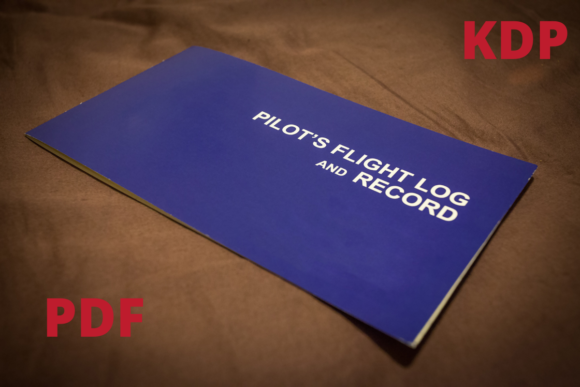
Before you begin filling pages, consider your specific needs. Are you required to log in a specific format by your training program or national authority? Does your flying involve complex aircraft types or international regulations that require additional data fields? The Pilot Log Book ready for KDP is designed as a comprehensive, 120-page foundation, but it’s wise to verify it aligns with your particular logging requirements.
A common consideration is durability versus convenience. A physical logbook offers a tangible, immediate record and is often preferred for official sign-offs. However, some pilots complement it with digital tracking for backup and analysis. The strength of this physical logbook lies in its simplicity and reliability—no software crashes or subscription fees. Its potential limitation is, naturally, that it's a single copy; keeping it secure is paramount.
The Anatomy of a Useful Log Entry: More Than Just Hours
A truly helpful logbook prompts you to record the details that matter later. Good entries go beyond date, aircraft, and total time. They include:
- Route of Flight: Departure and arrival airports, even for local practice.
- Conditions: Day/Night, actual or simulated instrument time.
- Landings: Number and type (full-stop, touch-and-go).
- Operations: Specific maneuvers, solo time, or dual instruction received/given.
- Remarks: Brief notes on unusual events, lessons learned, or instructor comments.
This granular detail transforms the logbook from a simple hour counter into a rich resource for self-assessment and planning. For example, reviewing remarks over several months can reveal patterns, like needing more practice in certain wind conditions, directly informing your future training focus.
A Ready-to-Go Solution for Aspiring Aviation Entrepreneurs
The Pilot Log Book also presents a unique opportunity beyond personal use. For those exploring a low or no content business on platforms like Amazon KDP (Kindle Direct Publishing), this product is a perfect fit. It's a 100% formatted and tested file, ready for printing. The included high-resolution PDF, set at 300 DPI for crisp text and lines, ensures professional quality. With dimensions of 8.5 x 11 inches and 120 pages without bleed, it's optimized for straightforward upload and sale as a physical notebook.
This turnkey product eliminates the design and formatting hurdles. Entrepreneurs can focus on marketing to the targeted aviation community—student pilots, flight schools, or aviation enthusiasts—who actively seek reliable, off-the-shelf logging tools. It’s a practical resource meeting a clear, ongoing demand in a niche market.
Integrating the Logbook into Your Aviation Routine
Making the logbook a seamless part of your flight process is key. Many successful pilots treat the post-flight debrief and log entry as a non-negotiable final step. It’s a moment of reflection that solidifies the experience. Keeping the logbook accessible—in your flight bag or at your desk—ensures consistency. Over years, this discipline builds not just a required record, but a personal history of your growth in the sky, a document you’ll likely value long after the hours are totaled.
Ultimately, whether you're using the Pilot Log Book for your own career or providing it as a product for others, its value stems from its purpose: to accurately capture the irreplaceable details of flight. In an activity where precision and memory are vital, having a dedicated place to hold those details is, without exaggeration, essential.