Navigating the KDP Interior Market: The Mega Editable KDP Interior Bundle Explained
For anyone publishing low-content books on Amazon's Kindle Direct Publishing platform, the search for quality interiors is a fundamental step. The market offers a spectrum of options, from purchasing single, highly specialized templates to subscribing to services that provide ongoing access. Among these choices, bulk bundles like the Mega Editable KDP Interior Bundle represent a distinct category. Understanding what this bundle is, how it functions in a crowded marketplace, and where its strengths and compromises lie can help authors and publishers make a more resource-conscious decision.
What Is the Mega Editable KDP Interior Bundle?
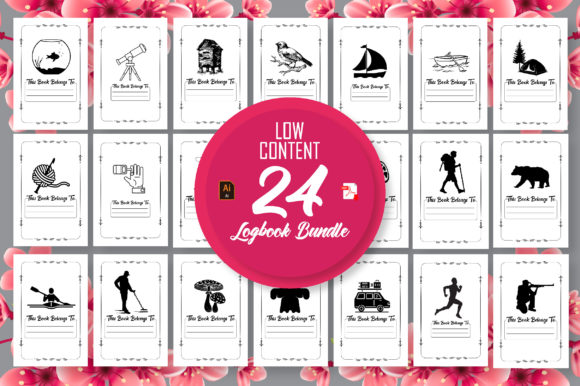
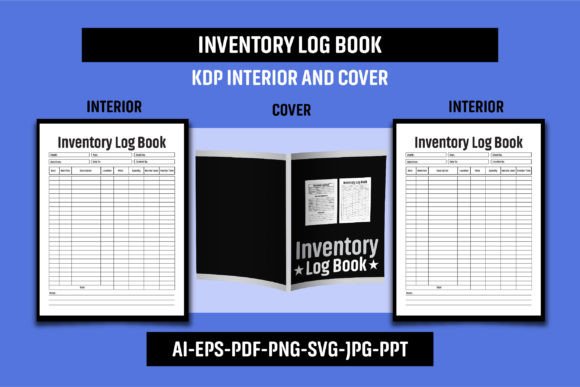
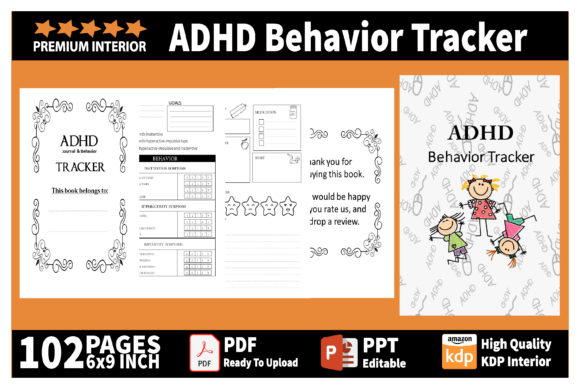
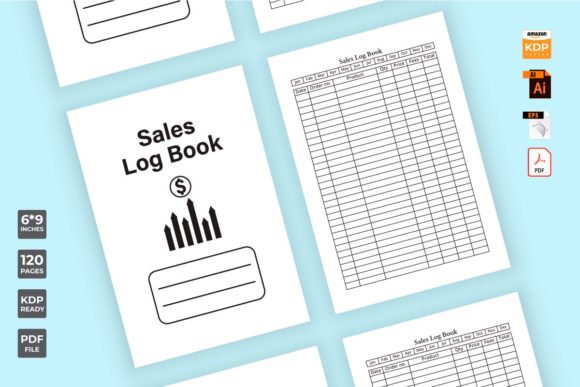
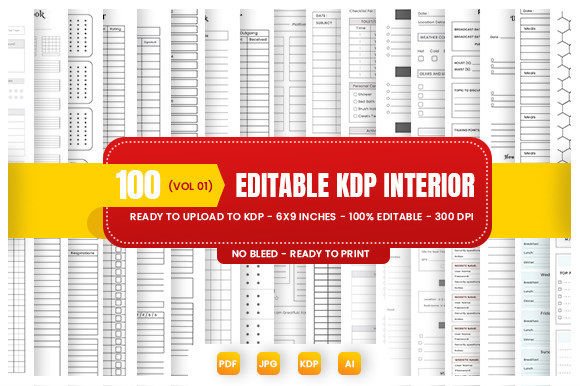
The Mega Editable KDP Interior Bundle is a comprehensive collection of pre-designed, low-content book interiors. It is typically sold as a one-time purchase, granting the buyer immediate access to a wide variety of template files. As described, this particular bundle includes over 70 distinct interiors, ranging from practical planners like Budget Trackers and Fitness Journals to niche logbooks for Gardening or Delivery Drivers, and even educational tools like Handwriting Sheets and Story Paper. Each interior is formatted to be "KDP ready," meaning it is sized and structured for the platform's paperback printing specifications, and comes in multiple file formats such as PDF, AI, and JPG to facilitate editing.
Its core distinction from other offerings is its scale and immediate breadth. Instead of acquiring templates piecemeal, a user receives a vast library at once. This model is designed for those who wish to launch multiple book titles quickly or experiment across different genres without repeatedly sourcing individual designs.
Comparing the Bundle Approach to Alternatives
When evaluating resources for KDP interiors, authors generally consider a few main paths: custom design, individual template purchases, subscription-based libraries, and large-scale bundles like this one. Each approach carries different implications for cost, creative control, time investment, and long-term viability.
Custom or Self-Designed Interiors
Creating interiors from scratch using design software offers maximum uniqueness and brand alignment. This is often the preferred route for established publishers with a specific aesthetic or for books requiring complex layouts. The tradeoff, however, is significant. It demands professional design skills, considerable time, and ongoing effort for each new title. For a newcomer or a publisher focusing on volume and efficiency, this barrier can be prohibitive.
Purchasing Individual Templates
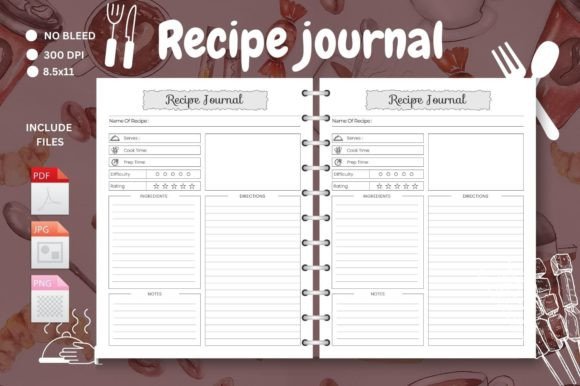
Many designers sell single, themed interiors—a Recipe Notebook, for example. This allows for precise selection and often higher, specialized quality per item. The cumulative cost, however, can escalate quickly if one plans to publish dozens of books. This method favors those with a clear, narrow niche who don't require a vast template library.
Subscription-Based Services
Some services provide monthly access to a rotating or expanding library of interiors. This model offers ongoing variety and often includes updates and support. It suits publishers who want a steady stream of fresh designs and prefer a predictable, recurring expense over a large upfront payment. The commitment is long-term, and if publishing activity pauses, the subscription cost continues.
The Large Bundle Model: Tradeoffs and Fit
The Mega Editable KDP Interior Bundle sits between these options. Its primary strength is the elimination of per-item cost and the immediate unlocking of a wide production capacity. The upfront investment grants a permanent asset. A practical comparison shows that while an individual template might cost a few dollars, acquiring 70+ separately could represent a cost hundreds of times greater. The bundle is economically advantageous for prolific publishers.
The compromise often comes in curation and depth. A bundle covering everything from a "My Shit List Notepad" to a "Patient Medical Report Logbook" is inherently generalized. The designs may follow a consistent, utilitarian style rather than offering deeply customized aesthetics for each category. Someone seeking highly artistic, ornate interiors for a specific genre might find the bundle's style too basic. Furthermore, managing and organizing such a large collection of files requires its own administrative effort.
Key Decision Factors for Potential Users
Determining if the Mega Editable KDP Interior Bundle is the right choice involves assessing your publishing goals against several key factors.
Volume and Speed of Publication
If your strategy involves rapid scaling—publishing many titles across various niches to test market response—the bundle is exceptionally efficient. Editing pre-made files in minutes, as advertised, can significantly accelerate the launch process compared to designing each book individually. For a methodical publisher planning to release only two or three carefully crafted journals per year, the bundle's scale may be overwhelming and underutilized.
Design Skill and Time Constraints
The bundle is a pragmatic solution for those with limited graphic design expertise or who wish to minimize time spent on layout. The editable AI and PDF files allow for customization of colors, text, and minor elements without requiring a full redesign. However, if "easy to edit" is a relative term. Users must still possess basic competence with software like Adobe Illustrator to modify AI files effectively; otherwise, they may be confined to using the PDFs as-is.
Niche Coverage and Market Testing
The diverse inventory, including planners, logbooks, journals, and activity papers, enables exploration of multiple low-content book markets. It is an excellent tool for testing which niches resonate without committing to specialized designs upfront. A publisher unsure whether to focus on health journals, kids' activity books, or productivity planners can use the bundle to create prototypes for all three. Conversely, if you are already a dedicated expert in, say, premium fitness publications, you might find the bundled Fitness Planner too generic compared to a standalone, feature-rich template designed specifically for that audience.
File Format Flexibility
The provision of AI (vector), PDF, and JPG files is a notable benefit compared to bundles offering only PDFs. AI files allow for true structural editing, which is crucial for those wanting to make more than just textual changes. This flexibility is a point of comparison against cheaper bundles that might offer only static PDFs, locking the user into a fixed design.
When the Bundle Is the Right Choice and When to Look Elsewhere
The Mega Editable KDP Interior Bundle aligns best with specific author profiles and situations.
It is likely a strong fit for the new KDP publisher aiming for a fast start with a portfolio of books. The breadth provides a safety net for experimentation. It also suits the established "volume publisher" who understands the low-content market and needs a cost-effective, reusable asset to sustain high output. Furthermore, it is helpful for content creators who serve multiple communities—a blogger, for instance, creating complementary physical products for audiences in fitness, parenting, and finance.
There are clear scenarios where another option would be more appropriate. If your project demands a unique, branded look that establishes you as a premium publisher in a single niche, a custom design or a high-end single template is superior. Similarly, if you value ongoing novelty and the latest design trends, a subscription service that updates monthly might deliver more sustained value than a static bundle. Lastly, if your technical comfort is low and you seek a truly "no-edit" solution where you only fill in a title, a service offering direct upload-ready files with minimal required changes might be simpler than managing dozens of editable source files.
Evaluating the Comprehensive Inventory
A closer look at the bundle's contents reveals its attempt to cover virtually every popular low-content category. The inclusion of practical tools like Bill Trackers and Spending Logbooks caters to the finance niche. Health Journals, Medication Logbooks, and Caregiving Logbooks serve a growing wellness market. The assortment of children's materials, from Kids Activity Journals to Story Paper, addresses educational publishing. Even humor and novelty items like the "My Shit List Notepad" are included for niche exploration.
This comprehensiveness is its main advantage. However, the variation in depth is a consideration. Some interiors, like the Recipe Notebook or Sketchbook, are straightforward and likely similar to many available templates. Others, like the Podcast Planner or Delivery Driver Logbook, target more specific audiences and might be harder to find as standalone items, representing a unique value within the bundle.
Making an Informed Decision
Choosing a KDP interior resource is not about finding the "best" product universally, but the best fit for your operational model and goals. The Mega Editable KDP Interior Bundle offers a compelling value proposition centered on scale, immediacy, and format flexibility. Its tradeoffs revolve around design generality and the requirement for basic editing skills.
For those whose decision factors prioritize economy per title, speed to market, and the ability to diversify, the bundle is a logical and powerful tool. It enables a publisher to move from idea to uploaded product in a remarkably short timeframe across many fronts. For those whose factors prioritize deep niche specialization, unique branding, or minimal technical involvement, exploring alternatives like custom work or curated single templates may lead to a more satisfactory outcome. Ultimately, assessing your own publishing strategy against these practical comparisons will point you toward the most efficient and effective resource for your KDP journey.